The Department of Mechanical Engineering has the following practical and research laboratories.
1. TANAP-Materials Testing Laboratory
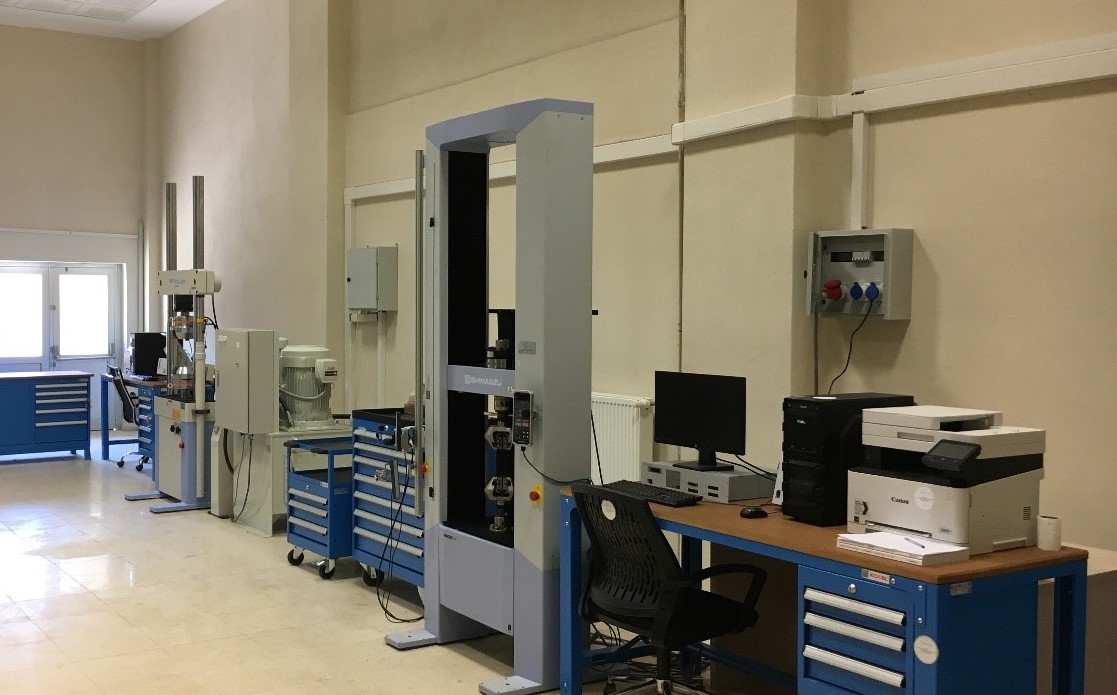
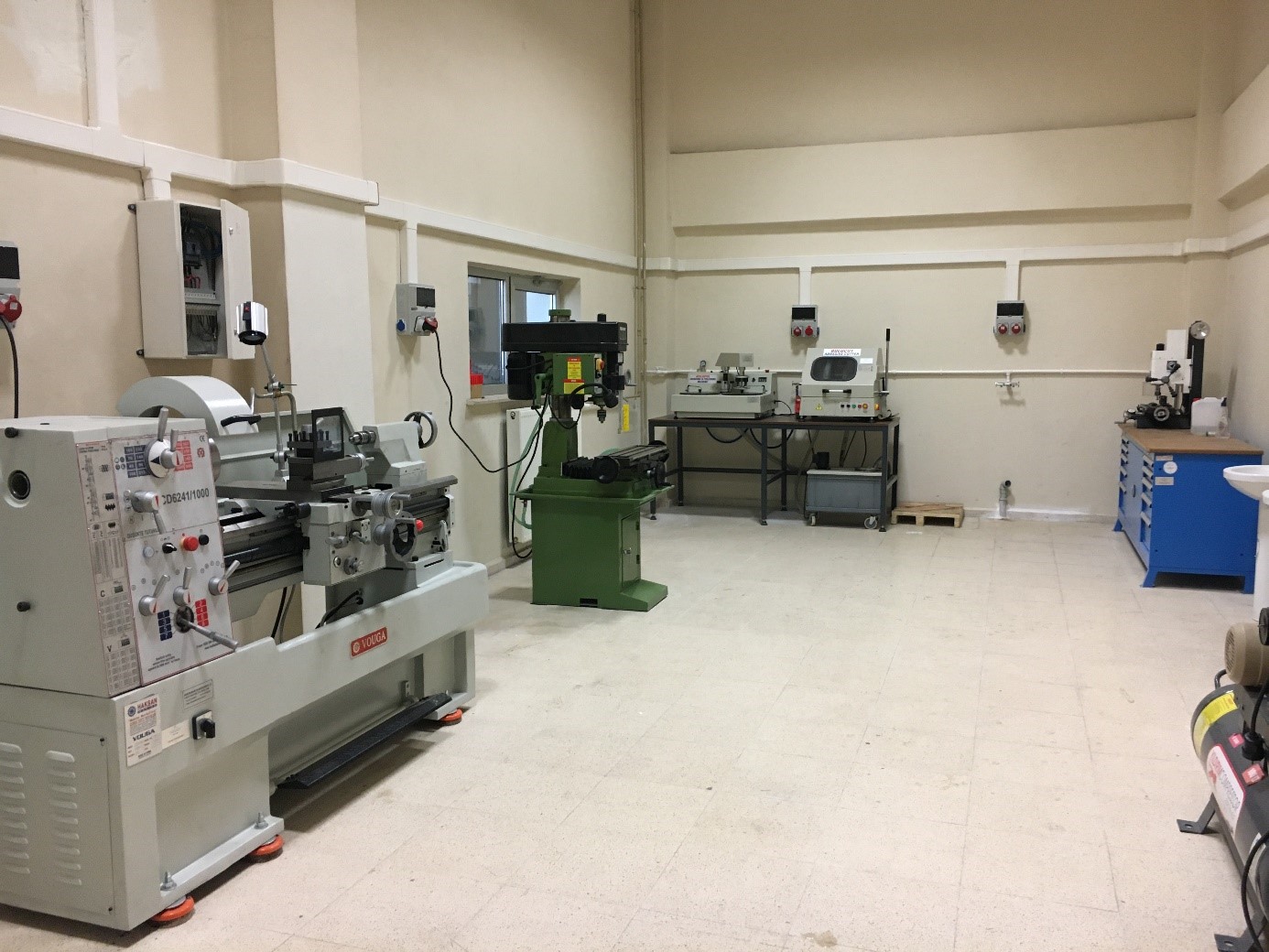
The TANAP Materials Testing Laboratory was established within Yozgat Bozok University with the support of TANAP Social and Environmental Investment Programs (MATEL project) and possesses an advanced infrastructure analyzing the mechanical behavior of engineering materials in accordance with international standards. The laboratory is equipped with 100 kN capacity tensile-compression and axial fatigue testing systems, rotating bending fatigue and 300 J capacity Charpy-Izod impact test devices, as well as non-destructive testing equipment such as ultrasonic flaw detection and thickness measurement devices. Supported by a comprehensive specimen preparation unit comprising lathe, milling, automatic grinding-polishing, precision cutting, and notch cutting machines, this technical equipment provides professional solutions for both academic research and industrial testing needs.
2. Advanced Materials Laboratory
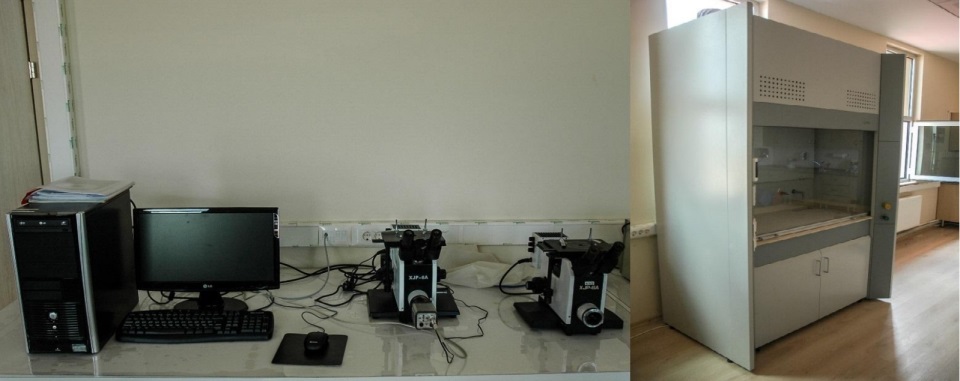
The Advanced Materials Laboratory is equipped with an extensive technical infrastructure for the practical investigation of mechanical behavior, microstructure analysis, and the hardness and density properties of materials. The laboratory inventory includes R.R. Moore and cantilever-type rotating bending fatigue test devices to determine the fatigue properties of materials, and a mechanical creep test device to analyze long-term high-temperature deformations. Additionally, for detailed surface characterization, it features Brinell, Vickers (micro and macro), and Rockwell hardness testers, a surface roughness tester, and high-magnification optical and camera-equipped metallurgical microscopes (with image processing capabilities). In addition to these, comprehensive support is provided for both educational activities and advanced research in materials science through a grinding and polishing device for pre-microscopic sample preparation, a high-precision (0.0001 g) density balance, and a fume hood system ensuring the safety of chemical processes.
3. Machining Laboratory
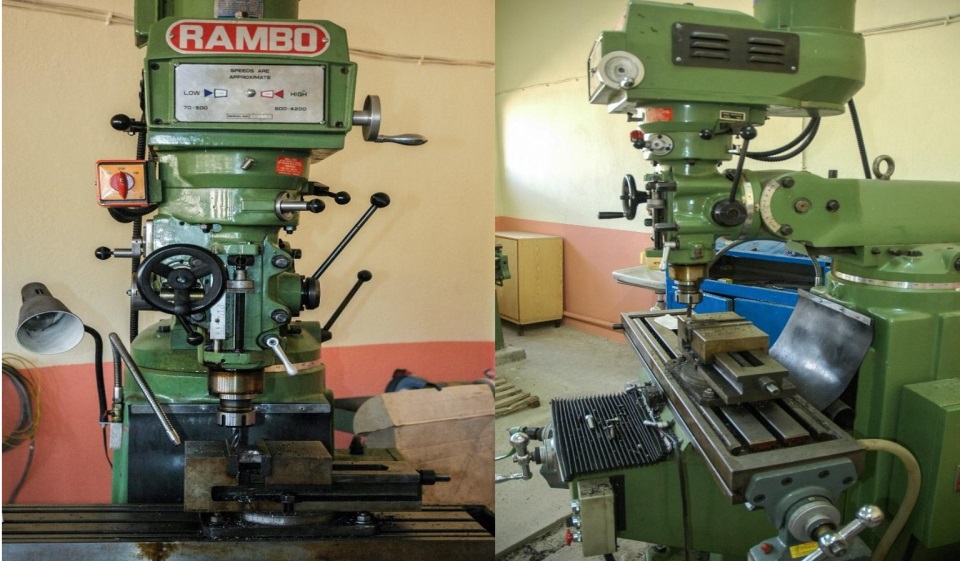
The manufacturing workshop contains manufacturing machinery demonstrated to undergraduate students. In addition to machine tools such as lathes, milling machines, drilling machines, shapers, band saws, grinding machines, and welding machines, various hand tools and measurement equipment are available for student use. Along with serving as a practical application area for the machine tools covered in lectures, it also offers students the opportunity for hands-on practice on the machines.
4. CAD-CAM Laboratory
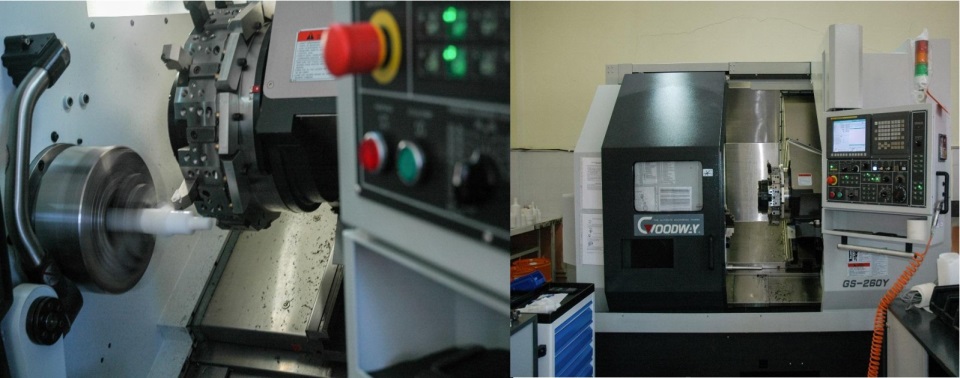
The CAD-CAM workshop houses laboratory equipment and software aimed at computer-aided design and manufacturing, an evolving and expanding field of modern technology. Licensed SolidWorks and AutoCAD software are available for computer-aided design. For computer-aided manufacturing, our laboratory is equipped with a 4.5-axis CNC lathe machine and its attachments. Licensed SolidCAM software is utilized for the manufacturing simulation of 3D designed parts and for establishing communication with the machine tool.
5. Hydraulic and Pneumatic Systems Laboratory
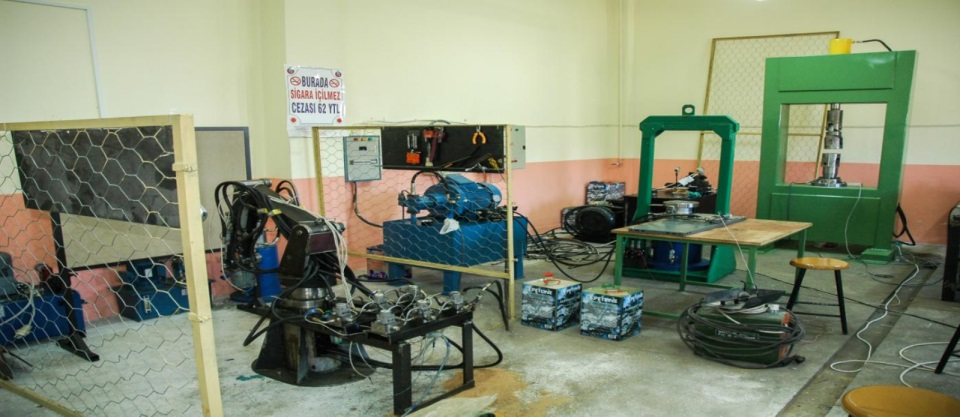
The laboratory includes various experimental setups, parts, and mechanical components regarding hydraulic and pneumatic systems, which hold great importance in mechanical engineering, are used across nearly all areas of daily life and industry, and serve as unique solutions in certain applications. The laboratory inventory comprises hydraulic and pneumatic valves, pistons, motors, pumps, compressors, a hydraulic robot, fittings, hand tools, and test benches. Educational simulation software is also utilized here. Educational systems designed on computers can be assembled and tested directly in the laboratory.
6. Biofuels and Engines Laboratory
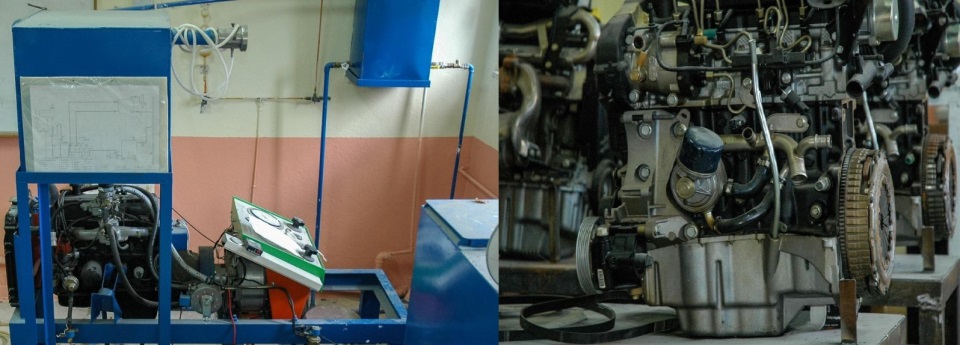
This laboratory serves both educational and research purposes. The laboratory includes various Otto and Diesel engines, as well as eddy current and hydraulic dynamometers to load engines and perform performance tests. Various measurement instruments are available for torque and speed measurements.
7. Machine Dynamics and Control Laboratory
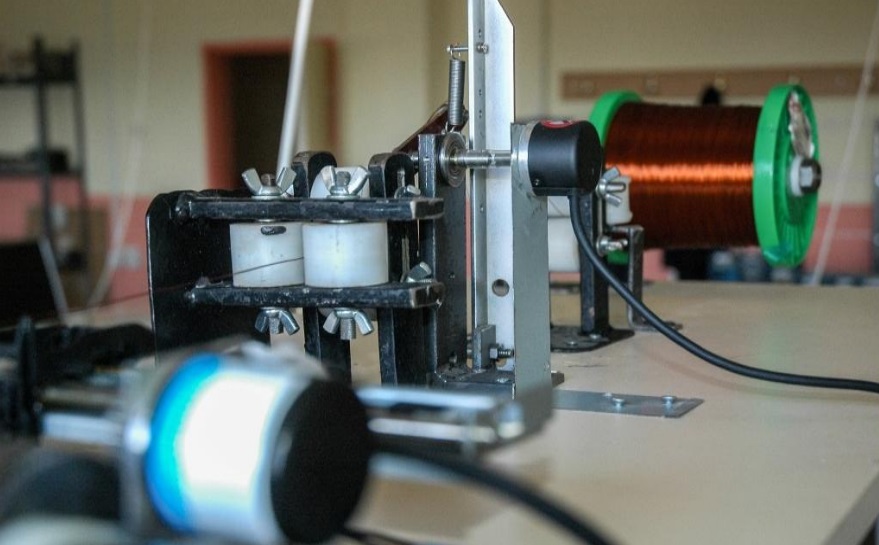
This laboratory is equipped with numerous electrical-electronic components to introduce students to control systems, and features measurement devices, DAQ cards, DC brushed/brushless motors, stepper motors, various mechanical setups, cart-inverted and rotary inverted pendulum systems, a coil winding setup, and pre-configured experimental setups for control applications.
8. Thermodynamics Laboratory
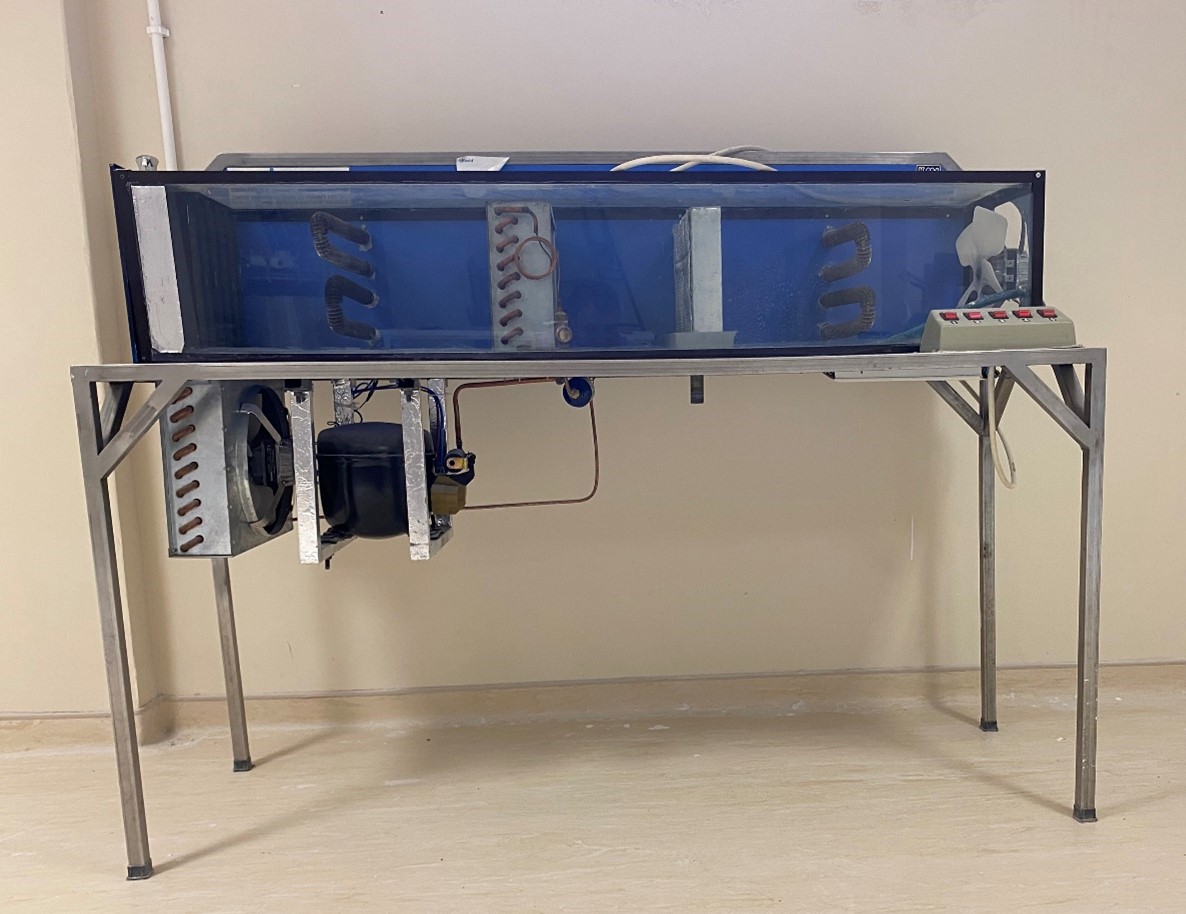
This laboratory contains various measurement devices and experimental setups to be used in heat transfer studies necessary for undergraduate students. The main experimental setups in the laboratory include: an experimental refrigeration system, an experimental setup prepared for fundamental air conditioning experiments where heating-cooling-humidification processes take place, and a centrifugal pump test rig where flow rate and head measurements are performed and experiments can be conducted to examine changes in pump characteristic curves when pumps are connected in series and parallel.
9. Mechanics of Solids Laboratory
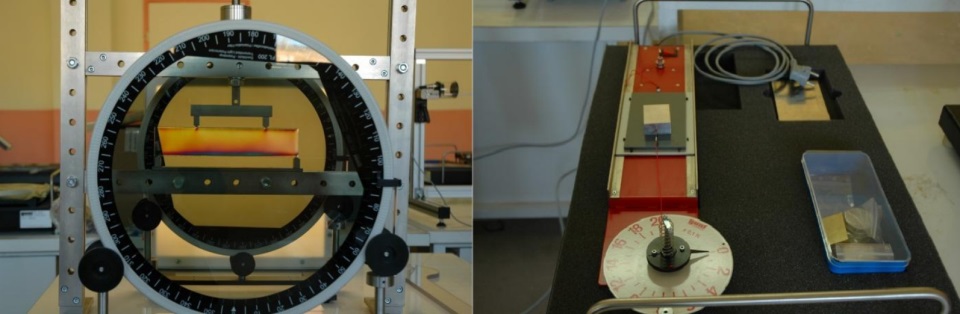
The Mechanics of Solids Laboratory is equipped with experimental setups that contribute to Statics, Dynamics, and Strength of Materials courses offered in the Department of Mechanical Engineering and can be utilized by students wishing to conduct projects and graduation theses in the field of solid mechanics. In this context, the laboratory includes strain gauge measurement setups, truss system test rigs, thin-walled cylinders for stress-strain analysis, friction coefficient determination setups, photoelasticity setups for stress measurement, and experimental setups for determining bearing stresses. Additionally, applications and prototypes developed by previous project and graduation thesis students are also exhibited in the laboratory.
10. HVAC and Energy Laboratory
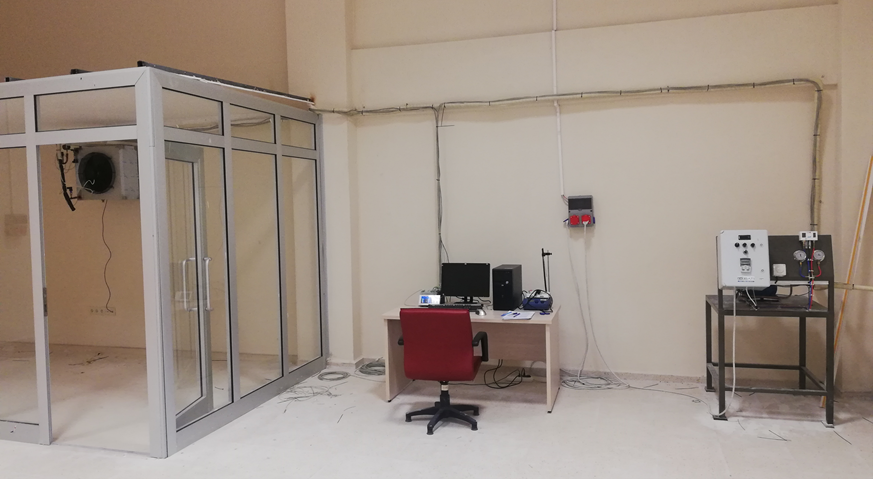
Located within the Yozgat Bozok University Mechanical Engineering Department, the HVAC and Energy Laboratory provides an advanced research infrastructure for performance analysis of ground source energy systems and investigation of thermodynamic processes. With the Ground Source Heat Pump (GSHP) and Cooling Machine experimental setups installed in the laboratory, the effects of variables such as pressure, temperature, and flow rate on system performance, heating/cooling coefficients of performance (COP), and energy and exergy efficiencies are investigated in detail. Composed of primary components such as compressors, indoor and ground heat exchangers, expansion valves, and 4-way reversing valves, these systems are equipped with precision sensors and dataloggers to enable real-time data tracking and scientific analyses, thereby providing a professional foundation for both undergraduate education and academic research projects.
11. Advanced Heat Transfer Laboratory
The Advanced Heat Transfer Laboratory has an extensive hardware capacity for thermal system analysis, temperature measurement techniques, and data acquisition processes. In the laboratory, measurement reliability is ensured through an arc welding machine used for manufacturing thermocouple junctions and constant temperature water baths used for thermocouple calibration. Supported by multi-channel data acquisition systems (dataloggers), precision DC power supplies, and voltage regulators, the infrastructure enables the experimental investigation of fundamental heat transfer mechanisms including conduction, convection, and radiation. Hosting practical sessions for core courses such as Heat Transfer and Experimental Engineering, the laboratory aims to provide students with technical competence in recording and evaluating thermal data.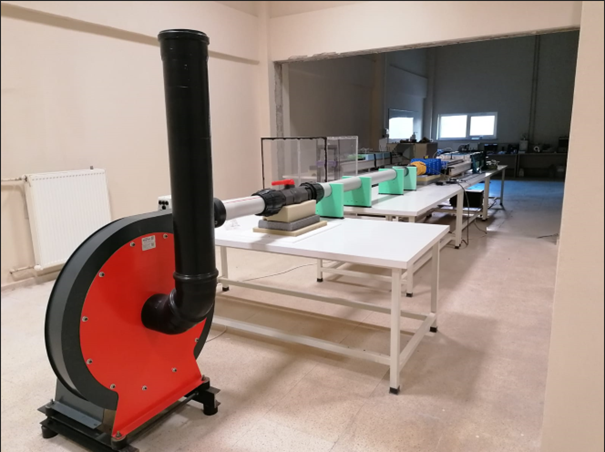
12. Fluid Mechanics Laboratory
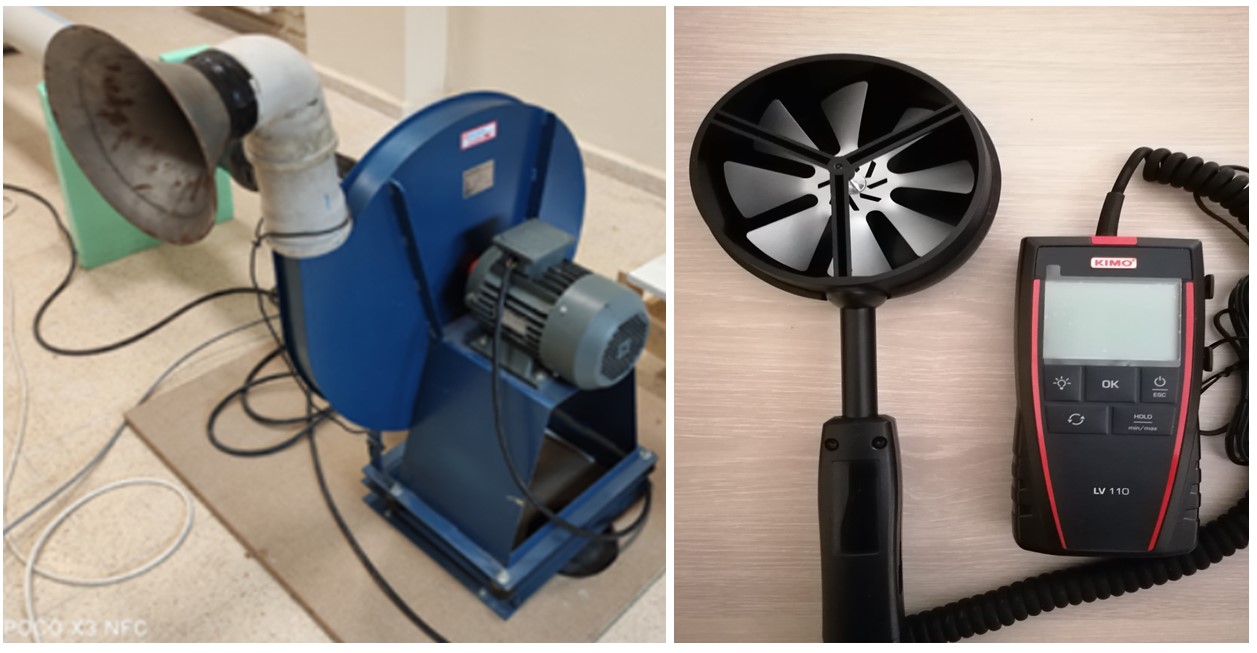
The Fluid Mechanics Laboratory is designed to reinforce theoretical knowledge in aerodynamics and fluid mechanics through experimental applications. Different flow scenarios can be simulated using the wind tunnel, high-pressure fan systems, and motor drives providing precise control over these systems. The laboratory enables high-precision measurement of critical data such as flow velocity and pressure distribution thanks to high-tech equipment including differential pressure sensors, hot-wire anemometers, and turbine flow meters. It offers a comprehensive research infrastructure for undergraduate educational activities and experimental flow analyses, primarily for courses such as Fluid Mechanics and Introduction to Aeronautics.